About the Community Health Aide Program in Alaska
From its 1960s beginnings to today’s statewide network, the Community Health Aide Program has grown into a powerhouse of community‑driven care, reshaping health and wellness across rural Alaska.
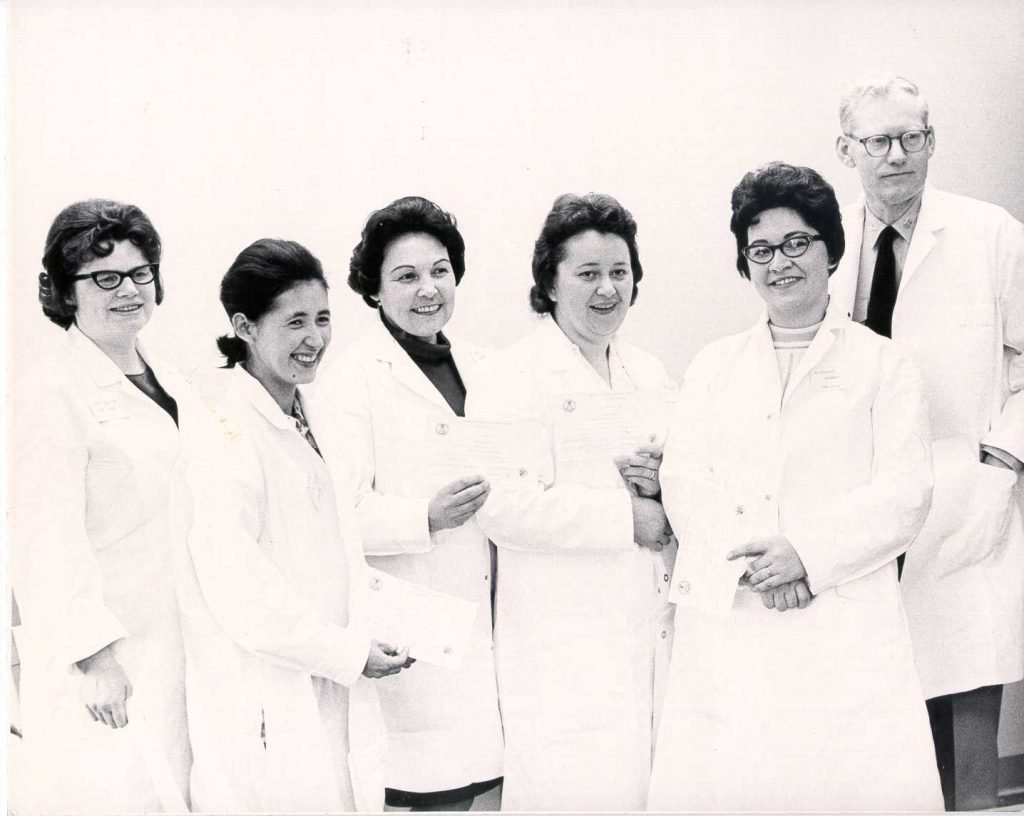
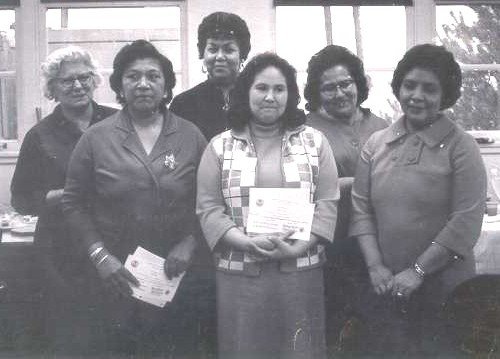
Origins in Community‑Based Care
The CHA Model Today
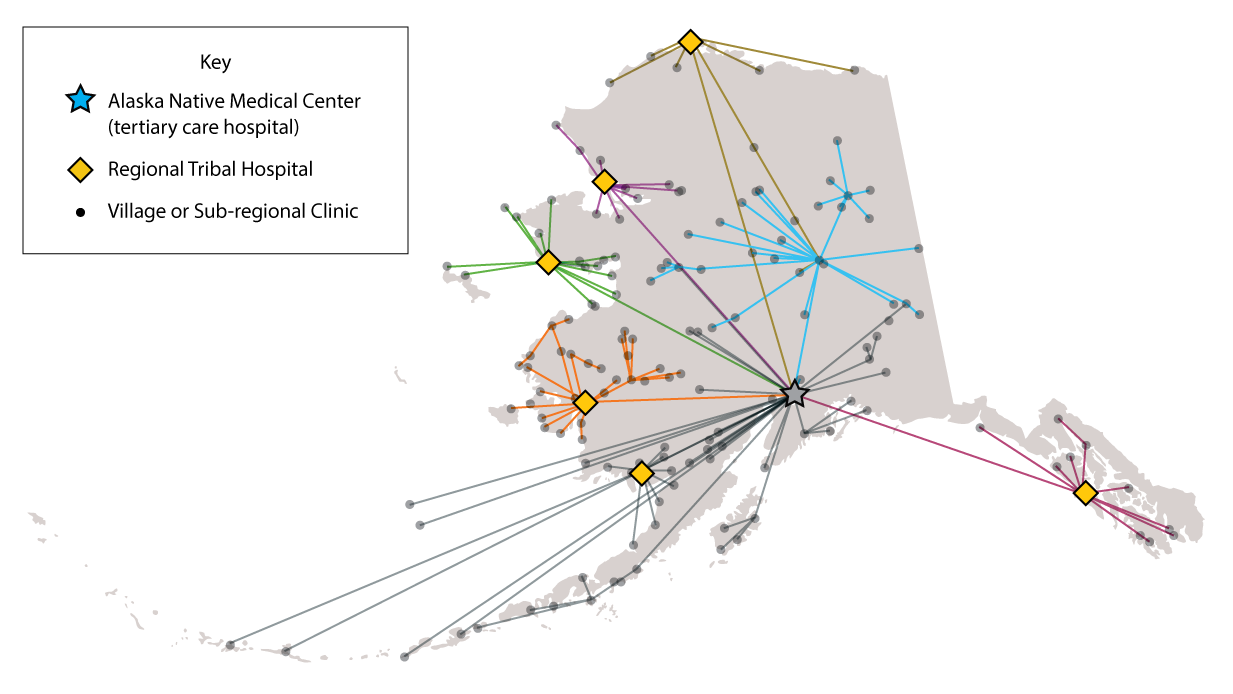
Today’s Community Health Aide model is a coordinated, village‑based system that brings primary care, prevention, and early intervention directly to rural Alaska. Village clinics act as “spokes,” staffed by CHA/Ps, while regional hubs and statewide facilities provide higher levels of care and specialty services. The aim is to keep care close to home whenever safe and feasible.
More than 550 certified CHA/Ps serve over 170 communities, using standardized clinical guidelines and strong referral pathways to connect village clinics with regional hospitals, advanced practice providers, and the Alaska Native Medical Center.
CHAs continue to be locally selected and trained through a blend of regional sessions and distance learning, ensuring care is delivered by trusted community members who understand local culture, needs, and strengths.
This model remains a cornerstone of Alaska’s tribal health system, providing accessible, culturally grounded care where it’s needed most.
If you're interested in becoming a CHA, contact your regional Tribal Health organization (THO) for potential vacancies.
What is a Community Health Aide?
Community Health Aides/Practitioners (CHA/Ps) are often the first people patients see when they need care in their communities. They’re not licensed providers and work under the medical oversight of a physician, who guides and supports their practice.
CHA/Ps use the Alaska Community Health Aide Manual (CHAM) to guide each patient visit by taking a health history, doing a basic exam, and gathering any needed tests. They use this information to make an assessment—not a formal diagnosis—and follow the care plan listed in the CHAM for that assessment.
CHA/Ps provide emergency, short-term, ongoing care, share their findings with supervising providers, and help decide when a patient needs to be sent for higher-level care.
Their work helps many people get care close to home, in their own villages, while supporting—rather than replacing—doctors, physician assistants, and nurse practitioners.
CHA/Ps Support
- Primary and Urgent Care in village clinics
- Acute and chronic disease management
- Preventive services, screenings, and early intervention
- Coordination of care and manage referrals to regional providers
- Telemedicine visits with APPs and physicians
- Health education and promote community wellness
- Visiting clinicians such as public health nurses, dentists, and physicians
- Continuity of care across Alaska’s tribal health system
We Value Your Feedback
Have a suggestion for the CHAM revision committee? Contact echam@ANTHC.org
Your feedback is critical in assisting in revising and updating this important and widely used resource. We are in the process of revising the CHAM chapter by chapter. Urgent issues are reviewed and addressed by the CHAM Revision Team as soon as possible. Otherwise, feedback will be reviewed and considered during the chapter revision process. We appreciate you taking the time to help us keep the CHAM current and useful.
eCHAM/iCHAM
The Electronic CHAM (eCHAM) can be found at https://access.echam.org/
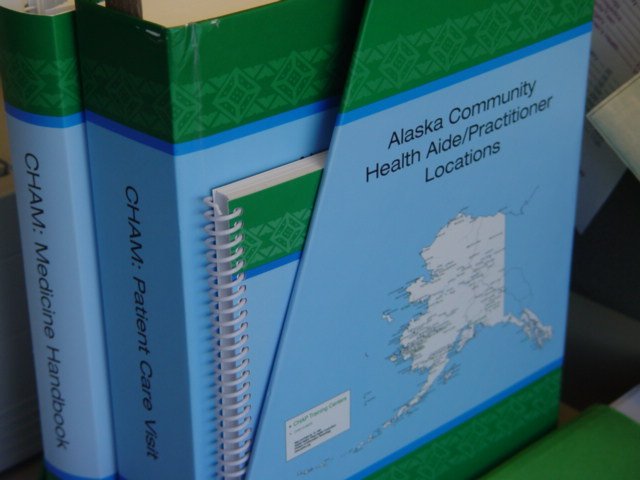
The Community Health Aide Manual (CHAM) is the document that Community Health Aides/Practitioners (CHA/P) use to provide excellent patient care. The Community Health Aide (CHA) must follow the CHAM for every visit as a part of their scope of practice. The CHAM, for years, was a large set of books, now the CHAM is exclusively electronic. The CHAM is accessed either by an internet connection or through the use of an iPad App. The web-based version is called the eCHAM, the App-based version is the iCHAM, both versions contain the same information. The CHAM is also available through a PDF document.
To request CHAM access, e-mail echam@ANTHC.org with the user’s Tribal Health Organization e-mail and phone number.
CHAM How to Youtube videos